




아이틴뉴스글로벌
A trip to Rome, "Five breath-taking lookouts" with a view
기사승인 : 2023-03-07 18:31 기자 : 하지수
The bother with Rome is that it has so many treasures. Its heady mixture of must-see classical ruins, flamboyant fountains, Renaissance palaces and masterpiece-filled museums could make a journey to the Eternal City as exhausting as it’s exhilarating.
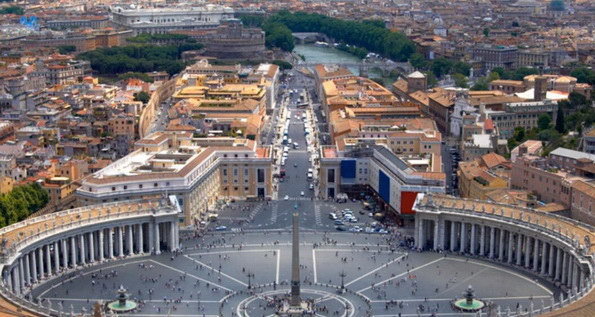
1. Aventine Hill
Rising above the Circus Maximus, the historical metropolis’s venue for chariot races, the Aventine is the most southerly of Rome’s seven hills. Originally a plebian space, it later grew to become dwelling to the aristocracy who constructed pagan temples and lavish palaces, and remains to be a fascinating, delightfully tranquil, residential district.
2. Belvedere del Gianicolo
The Gianicolo (or Janiculum Hill) is the place that locals come to look at the sundown. Rising above the maze of slender streets and fairly squares that characterise Trastevere, historically Rome’s artisan quarter, it was named for the two-faced god Janus who was as soon as worshipped right here.
3. Piazza di Campidoglio
This majestic Renaissance piazza, designed by Michelangelo, is well known for its elegant proportions and is dwelling to the Capitoline Museums with their beautiful collections of artwork and sculpture.
4. Pincio Terrace
Pincio Gardens, the place a terrace presents a splendid view of Piazza del Popolo, with the dome of St Peter’s past. The People’s Square (because it interprets at the moment) is probably Rome’s most spectacular (it’s really oval) and has at its centre an Egyptian obelisk taken from Heliopolis by Augustus for the Circus Maximus – the place it served as a turning level in chariot races.
5. The Vittoriano
Many say that the outlook from the Vittorio Emanuele Monument, or Vittoriano, is the better of all – because it’s the one place you possibly can’t see the monument itself. This huge white edifice, which dominates Piazza Venezia, was erected at the finish of the 19th century in honour of the first king of a unified Italy and has been disparagingly nicknamed ‘the typewriter’ by locals.



최신뉴스 보기
- “인서울만 답 아니다”…달라진 입시 판도
- [이재훈 아파트 칼럼] 초고령 시대, '세대 통합'이 아파트 가치를 결정한다
- “면역 챙기려다 간 망가진다”…비타민 과용 주의보
- 2026 유네스코 문화예술교육 주간…포럼·국제 심포지엄 개최
- 문화생활도 ‘할인 시대’…공연 티켓 지원 본격화
- [이유비 디자인] 좋은 디자인은 ‘창조’보다 ‘판단’에 가깝다
- [박재향 국대마케팅] 소상공인에게 필수인 네이버 플레이스 운영 전략
- 국수·냉면업, 생계형업종 "대기업은 못한다"
- 비쇼(Wiesheu) 그룹 베이킹솔루션 전문가 라스가 전하는 독일 빵 이야기 ⑤
- [비쇼(WIESHEU) 루카스 칼럼] 독일 빵의 기준은 어떻게 만들어지는가



![[이재훈 아파트 칼럼] 초고령 시대, '세대 통합'이 아파트 가치를 결정한다](/thum_img/upinews/gisa/c08f0181d9ba4004f2f2c79afc2a2a74_water__c1_w300_h260.jpg)


![[이재훈 아파트 칼럼] 초고령 시대, '세대 통합'이 아파트 가치를 결정한다](/thum_img/upinews/gisa/c08f0181d9ba4004f2f2c79afc2a2a74_water__c1_w75_h65.jpg)


![[강이석 청년정책] 로테르담 항만은 청년이 머무는 골목](/thum_img/upinews/gisa/ed1cd1e9f1fca608bf9b261a32c958ea_water__c1_w250_h220.jpg)
주간인기뉴스
- “인서울만 답 아니다”…달라진 입시 판도
- [이재훈 아파트 칼럼] 초고령 시대, '세대 통합'이 아파트 가치를 결정한다
- “면역 챙기려다 간 망가진다”…비타민 과용 주의보
- 2026 유네스코 문화예술교육 주간…포럼·국제 심포지엄 개최
- 문화생활도 ‘할인 시대’…공연 티켓 지원 본격화
- [이유비 디자인] 좋은 디자인은 ‘창조’보다 ‘판단’에 가깝다
- [박재향 국대마케팅] 소상공인에게 필수인 네이버 플레이스 운영 전략
- 국수·냉면업, 생계형업종 "대기업은 못한다"
- 비쇼(Wiesheu) 그룹 베이킹솔루션 전문가 라스가 전하는 독일 빵 이야기 ⑤
- [비쇼(WIESHEU) 루카스 칼럼] 독일 빵의 기준은 어떻게 만들어지는가



경기 화성시 병점노을4로 19 (병점동), 골든스퀘어원 1213 한국뉴스연합회, Tel: 070-4799-1004


